
Breath of the High Plateau: A Journey into Western Sichuan
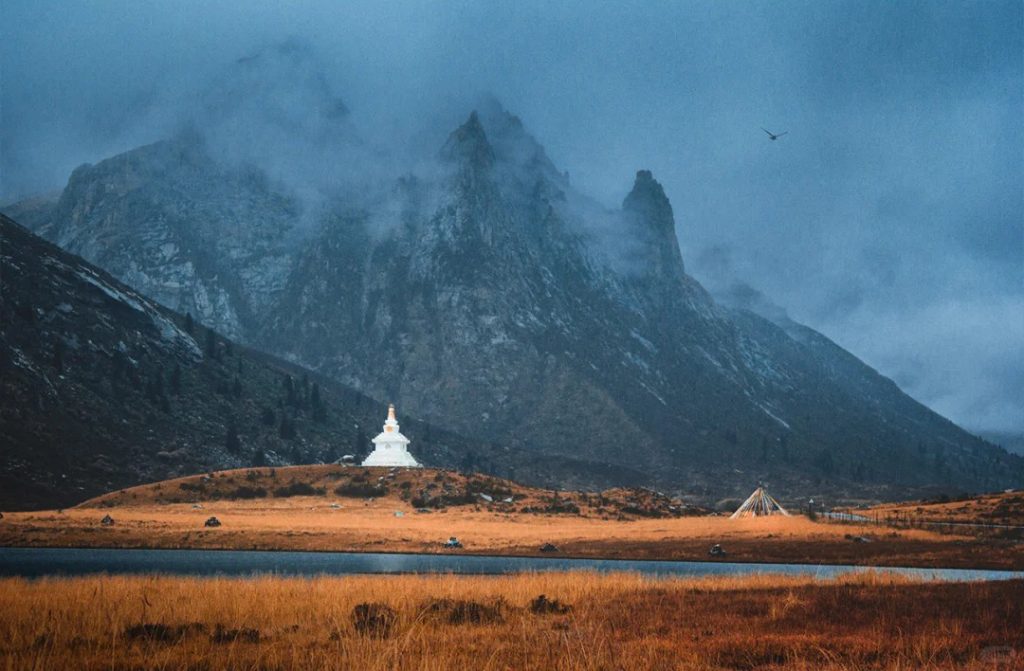
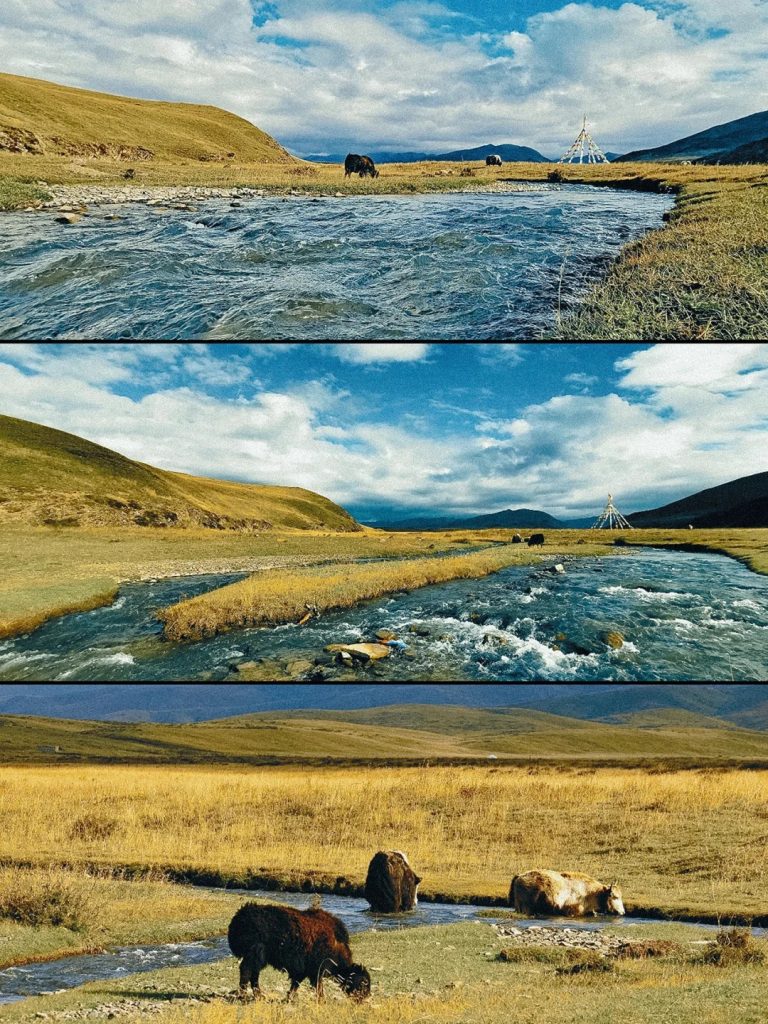
Western Sichuan — the southeastern edge of the Tibetan Plateau — is often called the last pure land on our blue planet. It is not merely a destination; it is a profound encounter with the raw power of nature, the depth of faith, and the resilience of human spirit. Departing from Chengdu, one ascends from the lush Sichuan Basin at 500 metres to the vast highlands above 4000 metres. In a single journey, the landscape transforms as if crossing planets: rolling grasslands, golden deserts, mirror-like lakes, and eternal snow peaks. Everything here moves at a rhythm measured in millennia, reminding us of both our insignificance and our freedom.
444
Geography and Landforms: The Theatre of the Hengduan Mountains
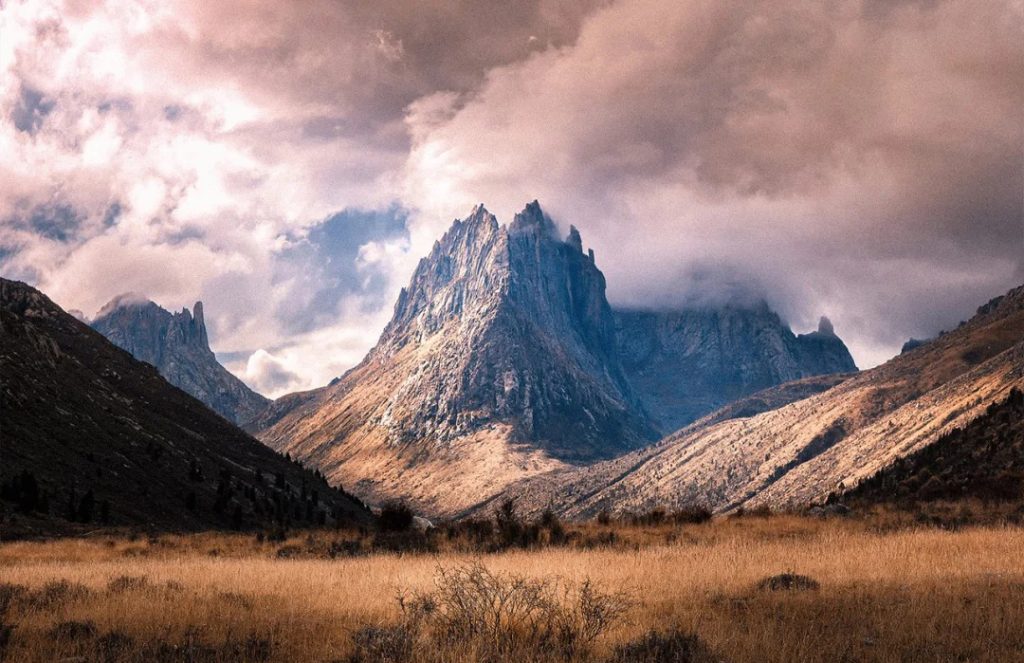
Western Sichuan lies at the heart of the Hengduan Mountains, the dramatic southeastern fringe of the Qinghai-Tibet Plateau. To the north stretch broad, high plains at an average elevation of over 4000 metres; to the south rise knife-edge ridges and deep canyons. The Daxue Mountains exceed 4400 metres on average, crowned by Minya Konka (Gongga Shan) at 7556 metres — the “King of Sichuan Mountains.

This extreme altitudinal gradient creates one of the planet’s most complete vertical ecosystems: river valleys with subtropical crops at lower elevations, colourful forests in mid-altitudes, alpine meadows higher up, and permanent ice caps at the top. Sea Screw Gully (Hailuogou) hosts rare low-altitude modern glaciers; the three sacred peaks of Yading (Xiannairi, Jambeyang, Chanadorje) stand in silent majesty; Tagong Grassland offers boundless horizons; and the “Oriental Alps” of Siguniang Mountain rise like cathedral spires.

In autumn, the region becomes a photographer’s paradise: golden poplars, crimson maple forests, azure skies, and gleaming snow peaks combine into scenes worthy of magazine covers.
333
Religion and Culture: Faith Carried on the Wind

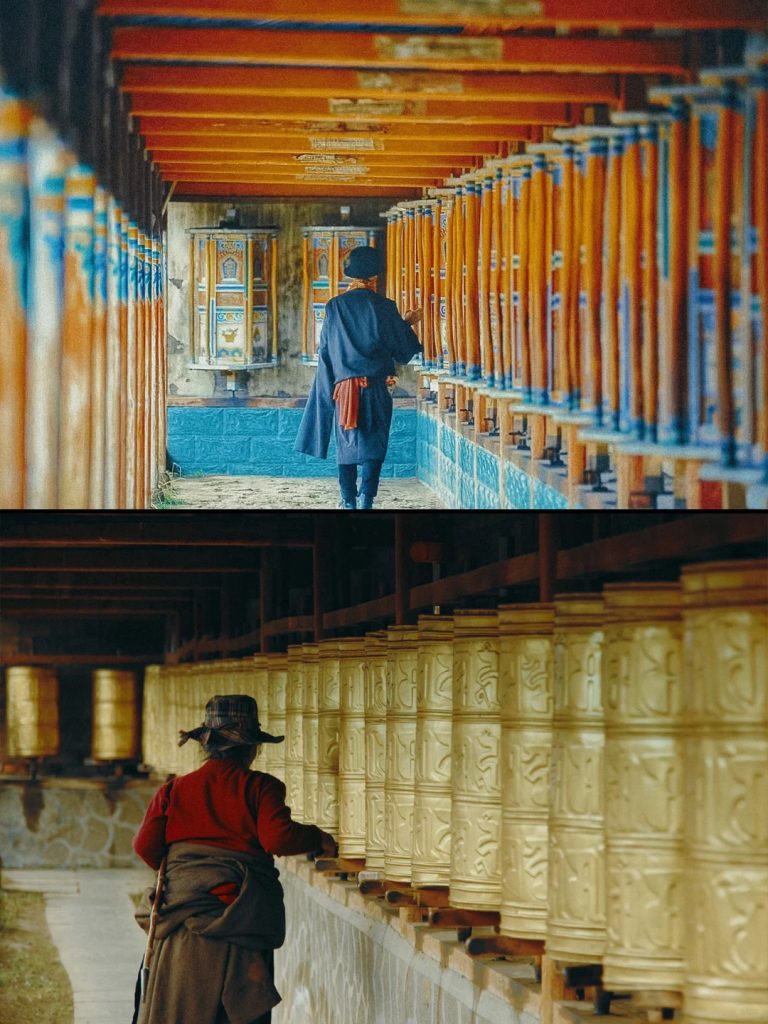
Western Sichuan is the eastern gateway to Tibetan Buddhism. Home to Jiarong, Khampa, and Muya Tibetans, daily life is woven with faith. The low hum of prayer wheels, piles of mani stones, and butter lamps in monasteries form the backdrop of existence.

Larung Gar in Serthar, the world’s largest Tibetan Buddhist academy, spreads thousands of crimson monastic houses across valley slopes like a sea of devotion. The golden stupa of Tagong Temple, the ancient woodblock printing house of Dege, the watchtower villages of Danba — these are living repositories of belief. Locals circumambulate sacred mountains (Yala, Gongga), believing in karma and rebirth.


Step into a Tibetan home and you may be offered butter tea while listening to stories of the Sixth Dalai Lama’s poetry or joining a guozhuang circle dance. Their reverence for nature and equanimity toward life stand in quiet contrast to urban haste.
跟着国家地理去旅行 甘南+川西北大小环线 17 心有所柒 来自小红书网页版
Food: Warmth and Strength on the Plateau
Cuisine here mirrors survival and hospitality in a harsh environment: simple, nourishing, energy-dense.
Tsampa — roasted highland barley flour — is the staple, pinched into balls and dipped in butter tea. Butter tea itself is the soul of the table: yak milk, butter, salt, and tea leaves churned into a frothy, warming broth that combats cold and altitude.

Yak meat dominates: wind-dried strips with smoky intensity, hand-torn mutton, blood sausage. Soups feature “ginseng fruit” (actually a root vegetable) in sweet-savoury broths, and thick yak yogurt offers cooling tang. Festive occasions bring qingke barley wine — gently intoxicating and warming.

Unlike Chengdu’s fiery spice, flavours here emphasise original taste and sustenance. At 4000 metres, a steaming bowl of butter tea becomes a quiet celebration of life’s persistence.
跟着国家地理去旅行 甘南+川西北大小环线 4 心有所柒 来自小红书网页版
A Journey of Awe and Renewal
The true allure of Western Sichuan lies in its scarcity of crowds and abundance of awe. A self-drive ring from Chengdu — through Xinlu Bridge (photographer’s paradise), Danba (most beautiful Tibetan villages), Tagong Grassland, Yading, Hailuogou — unfolds in layers. Autumn for colour, winter for glacier hot springs, summer for horseback meadow rides, spring for rhododendron blooms.

This is not checklist travel. It is renewal: standing at Zimei Pass gazing at Gongga, prayer flags snapping in the wind, one inevitably reflects on the scale of existence. Compared to crowded hotspots, Western Sichuan remains primal — few people, vast sky, open land — restoring a sense of freedom.

Make this itinerary yours

Each and every ARCH trip is tailored exactly to who you are and what you want to do. So tell us about yourself and we’ll create something that’s entirely you.

0

Subtotal